Explore our network of country and industry based websites to access localized information, product offerings, and business services across our group.

Access reliable chemical market information through our update channels.
Real-time Updates
Daily Updates
Log in to start sending quotation requests for any product.
Don't have an account? Sign Up Here
Log in now to access technical product documents from our product range.
Don't have an account? Sign Up Here
Home All Products Tapioca Starch
|
IUPAC Name |
: - |
|
Cas Number |
: 9005-25-8 |
|
HS Code |
: 1108.14.00 |
|
Formula |
: C27H48O20 |
|
Appearance Name |
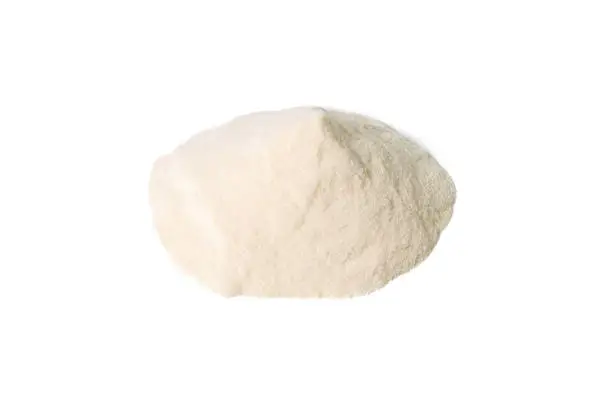
: Fine White Powder |
|
Common Names |
: Cassava Starch, Tapioca Starch |
|
Packaging |
: 25 Kg Bag |
For more detailed information including pricing, customization, and shipping:
Tapioca starch from cassava roots offers neutral flavor, high clarity, and unique elastic gel properties. In the food industry, it creates chewy textures in boba pearls and Asian noodles, provides light thickening for clear sauces without opacity, and softens gluten-free baked goods with superior moisture retention. Its versatility supports both traditional and modern clean-label recipes.
Desserts and confectionery: Forms soft, elastic gels in products such as boba pearls, jellies, and chewy candies, providing characteristic “bite” and translucency without masking added flavors.
Sauces and gravies: Thickens lightly in clear sauces, glazes, and gravies, creating a smooth, glossy coating that clings well to meat, vegetables, or toppings without making the sauce cloudy or heavy.
Gluten‑free bakery: Improves softness and volume in gluten‑free breads, cakes, and tortillas by helping retain moisture and gas in the dough, resulting in a tender crumb and slower staling.
Noodles and starch pearls: Provides a springy, translucent texture in cellophane noodles, tapioca pearls, and similar products by swelling evenly during cooking while maintaining shape and chewiness.
Coatings and batters: Enhances crispiness and lightness in tempura, fried snacks, and coated meat or seafood by forming a thin, fast‑gelling film that reduces oil uptake and stays crunchy after frying.
In the textile industry, it is used as a sizing agent to protect yarns and improve weaving efficiency; in the adhesives industry, it contributes bonding strength and viscosity control in paper and packaging glues; in the packaging and bioplastics industry, it serves as a renewable raw material for producing biodegradable films and molded items.



 English

 Indonesian
 简体字
简体字
 العربية
 Español
 Français
 Português
 日本語
日本語
 한국어
한국어
 Tiếng Việt