Introduction to Coconut Oil
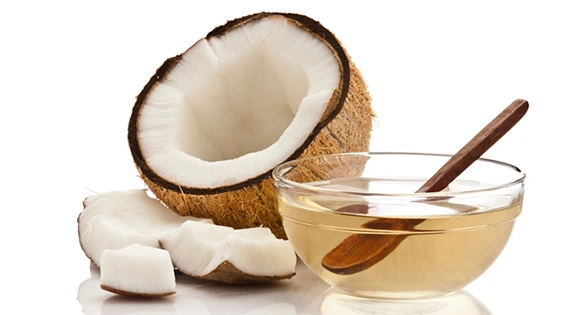
Coconut oil is one of the most widely used natural oils in the world. Extracted from the white flesh of mature coconuts, this oil has been a staple food source for many traditional societies. Today, coconut oil is valued not only for its taste but also for its unique nutritional profile and potential health benefits.
In regions such as the South Pacific, coconuts have long played a central role in daily diets. For example, the Tokelauan population historically obtained more than 60% of their daily calories from coconuts, yet showed low rates of heart disease. This real-world example has sparked renewed interest in coconut oil and its role in human health.
What Is Coconut Oil and How Is It Made?
Coconut oil is produced by extracting oil from the white, solid part of the coconut found beneath the shell. This can be done through traditional methods or modern processing techniques.
There are two common types of coconut oil:
-
Virgin coconut oil: Extracted from fresh coconut meat, retaining natural aroma and nutrients.
-
Refined coconut oil: Processed from dried coconut (copra) and refined for neutral flavor and higher smoke point.
Both forms of coconut oil are widely used in cooking, personal care, and wellness applications.
Coconut Oil Nutrition Facts
Coconut oil is an energy-dense food rich in healthy fats. Just one tablespoon of coconut oil contains:
A standout feature of coconut oil is its fat composition. Nearly 90% of the fat found in coconut oil is saturated fat, making it one of the richest natural sources of saturated fats available.
Understanding Saturated Fat in Coconut Oil
For decades, saturated fat has been viewed negatively due to its supposed link to heart disease. This belief largely originated from early studies that associated saturated fat intake with clogged arteries and cardiovascular problems.
However, more recent research suggests that saturated fat does not affect everyone in the same way. For many individuals, dietary saturated fat has little impact on blood cholesterol levels. Even when cholesterol increases, it does not always translate into a higher risk of heart disease.
This evolving understanding has led nutrition experts to reassess the role of saturated fat in a balanced diet.
Medium-Chain Triglycerides (MCTs) Explained
One key reason coconut oil stands apart from other saturated fat sources is its high content of medium-chain triglycerides (MCTs).
Unlike long-chain fatty acids found in meats and dairy products, MCTs are metabolized differently:
-
They are rapidly absorbed by the body
-
They are quickly converted into energy
-
They are less likely to be stored as body fat
This unique metabolic pathway gives coconut oil distinct advantages compared to other fats.
Common Myths About Coconut Oil and Heart Health
Coconut oil has often been grouped together with processed and hydrogenated fats. However, this comparison is misleading.
Not all saturated fats are the same. Coconut oil is a natural, unprocessed fat that differs significantly from trans fats and hydrogenated oils commonly found in ultra-processed foods. Modern nutritional research increasingly recognizes these differences.
Health Benefits of Coconut Oil
Coconut oil offers more than just a source of dietary fat. When used appropriately, it may support various aspects of health.
-
Weight Management
The MCTs in coconut oil can help boost metabolism and increase energy expenditure, supporting healthy weight management.
-
Dental Health
Coconut oil is commonly used in oil pulling, a traditional practice believed to reduce harmful bacteria in the mouth and support oral hygiene.
-
Skin Care Benefits
Coconut oil helps moisturize the skin, strengthen the skin barrier, and protect against dryness.
-
Hair and Scalp Care
Regular use of coconut oil can improve hair strength, reduce protein loss, and support scalp health.
-
Antifungal, Antibacterial, and Antiviral Properties
Coconut oil contains lauric acid, which has natural antimicrobial properties that may help fight certain pathogens.
-
Appetite Control
Because coconut oil promotes satiety, it may help reduce overall calorie intake by controlling hunger.
-
Brain Health Support
MCTs provide a rapid energy source for the brain and may support cognitive function.
-
Cholesterol and Heart Health
Coconut oil may increase HDL (good) cholesterol levels, which plays a role in supporting cardiovascular health.
Why Coconut Oil Has Been Used for Centuries
Human populations have relied on coconuts and coconut oil for thousands of years. From cooking and medicine to skincare and religious practices, coconut oil has proven to be an adaptable and valuable natural resource.
Its continued use across cultures highlights its nutritional value and practical benefits.
Key Takeaways About Coconut Oil
-
Coconut oil is a natural fat extracted from coconut meat
-
It is high in saturated fat, primarily in the form of MCTs
-
Saturated fat in coconut oil behaves differently from processed fats
-
Coconut oil supports skin, hair, oral health, and energy levels
-
When consumed in moderation, coconut oil can be part of a balanced diet
Conclusion
Coconut oil is more than just a cooking ingredient. With its unique fat composition, long history of traditional use, and growing body of scientific research, coconut oil continues to gain recognition as a versatile and functional food.
Understanding the difference between natural saturated fats and processed fats is key to making informed dietary choices. When used responsibly, coconut oil can support overall health, wellness, and daily nutrition. Whether you use it for cooking, skincare, or personal wellness, coconut oil remains a powerful example of how traditional foods can fit into modern lifestyles. If you are looking for a reliable supplier of high-quality coconut oil for food, personal care, or industrial applications, feel free to contact us for more information and expert assistance.


Leave a Comment